
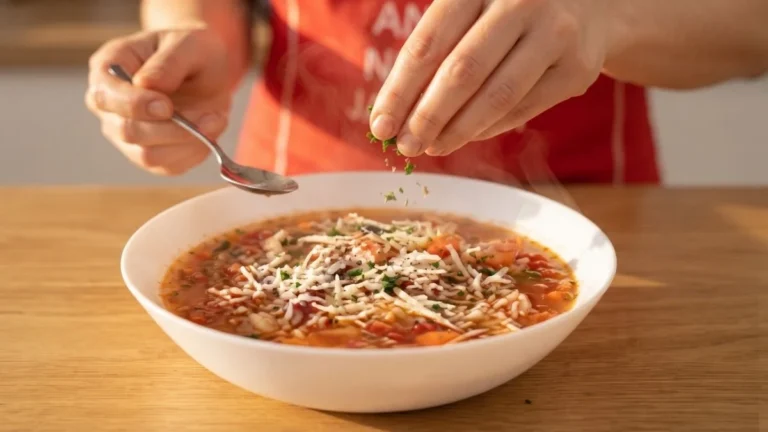

This authentic Italian minestrone recipe comes straight from Roberto, a beloved vendor at Montreal’s Jean-Talon Market in Little Italy, who never measured a single ingredient in his life.
What makes this pork minestrone soup so special is its rich, slow-simmered base -bone-in pork chops with the fat and skin left on, browned alongside onion, celery, and garlic, then built up with chicken stock, herbs, tomatoes, cabbage, and kidney beans. Unlike quick vegetable soups, this minestrone develops deep, layered flavor over time, filling the kitchen with an unmistakably Italian aroma.
It’s rustic, forgiving, and endlessly satisfying -exactly the kind of soup meant to be made by feel, not by recipe card.
What Does Roberto’s Minestrone Soup Taste Like?
This minestrone is hearty, savory, and deeply comforting, with a broth that tastes like it simmered all day -because it essentially did. The pork (fat, skin, and all) melts into the stock, giving the base a rich, almost silky body that vegetable-only minestrone can’t replicate.
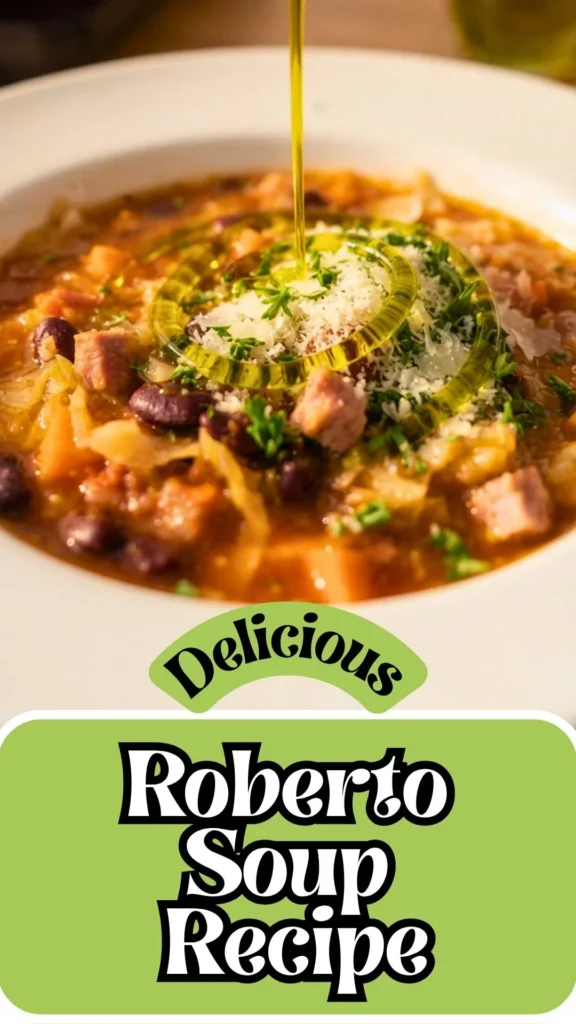
Sweet caramelized onion and garlic ground the flavor, while oregano, basil, and thyme add an herbaceous, classic Italian backbone. Tomatoes bring gentle acidity, cabbage and carrots add sweetness and texture, and kidney beans make it filling enough to be a full meal.
Finished with parmesan and a drizzle of good olive oil, every spoonful feels like a warm hug from an Italian nonna’s kitchen.
Ingredients & Kitchen Equipment
Ingredients
- Extra virgin olive oil –3 tablespoons, for the pot
- Large onion –1, chopped
- Celery stalks –3, chopped
- Garlic cloves –4, minced
- Bone-in pork/beef chops –2, with fat and skin, cut into small pieces
- Salt –1 teaspoon
- Black pepper –½ teaspoon
- Chicken stock –8 cups
- Bay leaves –2
- Dried oregano –1 teaspoon
- Dried basil –1 teaspoon
- Dried thyme –1 teaspoon
- Carrots –3, chopped
- Small cabbage –1, chopped
- Diced tomatoes –1 can (28 oz / 796 ml)
- Tomato sauce –1 can (24 oz / 680 ml)
- Red kidney beans –2 cans, drained
- Small pasta (ditalini) –1 cup, optional
- Parmesan cheese –½ cup, grated, to serve
- Fresh parsley –2 tablespoons, chopped, to serve
- Extra virgin olive oil –2 tablespoons, to drizzle when serving
Kitchen Utensils
- Large soup pot or Dutch oven
- Wooden spoon
- Sharp chef’s knife and cutting board
- Ladle
- Can opener
- Measuring cups and spoons
- Colander (for draining beans)
- Serving bowls
Preparation Time, Cooking Time & Servings
- Prep Time: 20 minutes
- Cook Time: 1 hour 30 minutes (simmering)
- Total Time: Approximately 1 hour 50 minutes
- Servings: 8
- Difficulty: Easy
How to Make Roberto’s Authentic Italian Minestrone
Step 1 -Build the Flavor Base
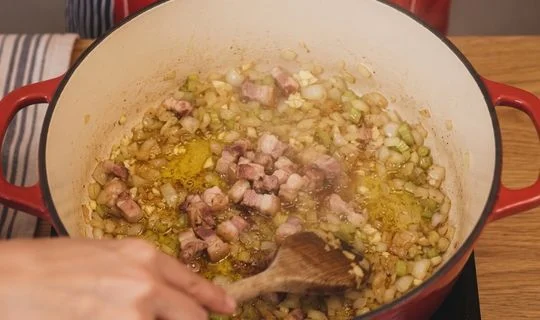
Warm 3 tablespoons of extra virgin olive oil in a large pot over medium heat. Add the chopped onion, celery, and minced garlic, along with the chopped pork chops -including the fat and skin. Season with salt and black pepper. Cook, stirring occasionally, until the pork is well browned and the vegetables have softened and the flavors begin to meld together. This step forms the entire flavor foundation of the soup, so don’t rush it.
Step 2 -Add Stock and Herbs
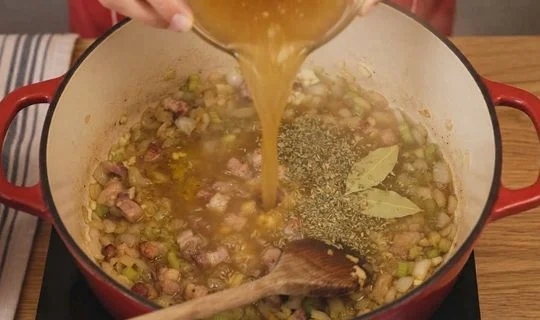
Pour in the 8 cups of chicken stock, then add the bay leaves, dried oregano, dried basil, and dried thyme. Bring to a gentle simmer and let the broth develop for a while, allowing the pork fat and herbs to infuse the liquid with deep, savory flavor.
Step 3 -Add Vegetables, Tomato, and Beans
Stir in the chopped carrots, chopped cabbage, diced tomatoes, tomato sauce, and drained kidney beans. Let the pot simmer until the vegetables are tender and the soup has thickened into a rich, fragrant minestrone that fills the kitchen with the aroma of a real Italian kitchen.
Step 4 -Add the Pasta (Optional)
If you’re including pasta, stir in the ditalini (or another small pasta shape) and cook until al dente, right in the soup. This is the traditional way Roberto makes it, though it’s easy to skip entirely if you prefer a lower-carb version.
Step 5 -Serve
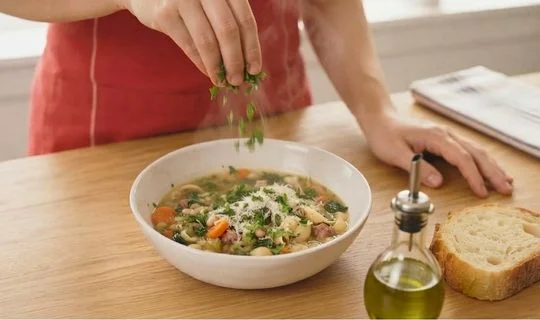
Ladle the hot minestrone into bowls. Top generously with grated parmesan cheese and freshly chopped parsley, then finish each bowl with a drizzle of good extra virgin olive oil before serving.
Customization & Serving Ideas for Minestrone Soup
1. Swap the Pork for Italian Sausage or Pancetta
For a different flavor profile, replace the bone-in pork chops with mild or spicy Italian sausage, or diced pancetta. Sausage adds a fennel-forward warmth, while pancetta brings a smokier, saltier depth -both work beautifully with the tomato-based broth.
2. Make It Vegetarian with a Parmesan Rind
Skip the pork entirely and use vegetable stock instead of chicken stock. To keep that signature richness, simmer a parmesan rind in the pot while it cooks, then remove it before serving. This adds umami depth without any meat.
3. Add Leafy Greens Like Kale or Spinach
Stir in a few handfuls of chopped kale or fresh spinach during the last 5 minutes of cooking for extra nutrients, color, and texture. The greens wilt quickly and add a lovely earthy contrast to the sweet tomato base.
4. Try a Different Bean Variety
While red kidney beans are traditional, cannellini beans, borlotti (cranberry) beans, or chickpeas all work wonderfully in this minestrone. Each brings a slightly different texture and mild flavor, so feel free to mix beans based on what’s in your pantry.
5. Use a Different Small Pasta Shape
Ditalini is classic, but small shells, elbow macaroni, or broken spaghetti pieces all work just as well. For a gluten-free version, swap in a gluten-free small pasta or skip it altogether and add extra beans for heartiness instead.
6. Pair with Crusty Italian Bread
Serve this minestrone with a thick slice of crusty sourdough, ciabatta, or garlic bread for dipping. The bread is perfect for soaking up the rich, herby broth and turns the meal into a complete, satisfying dinner. For another comforting Italian-inspired side, serve this minestrone with our olive garden garlic mashed potatoes recipe for a hearty meal with rich, satisfying flavors.

7. Pair with a Simple Red Wine
A medium-bodied Italian red, like Chianti or Sangiovese, complements the tomato and herb flavors beautifully. Serve a glass alongside the soup for an authentic, rustic Italian-inspired dinner experience straight from Little Italy.
Pro Tips for the Best Homemade Minestrone
1. Don’t Skip the Pork Fat and Skin
Roberto’s secret is using the fat and skin from the pork chops, not just the lean meat. As the soup simmers, the fat renders down and enriches the broth, giving it a silky body that lean meat alone cannot achieve.
2. Brown the Pork Thoroughly Before Adding Liquid
Take the time to properly brown the pork and vegetables in the first step. This caramelization builds a deep, savory foundation of flavor that carries through the entire pot, rather than resulting in a flat-tasting broth.
3. Adjust Herbs and Seasoning to Taste
This is a true “eyeball it” recipe. Taste as you go, and don’t be afraid to add a little more oregano, basil, or thyme if the broth needs more depth. Traditional Italian cooking is about adjusting to taste, not strict measurements.
4. Add Pasta Only When You’re Ready to Serve
If you’re not planning to eat the whole pot in one sitting, cook the pasta separately and add it to individual bowls rather than the whole pot. This prevents the pasta from over-absorbing the broth and turning mushy in leftovers.
5. Simmer Low and Slow for Best Flavor
Resist the urge to rush this soup with high heat. A gentle, low simmer allows the pork, herbs, and vegetables to fully meld together, resulting in a far more flavorful and balanced minestrone than a quick boil.
6. Use Freshly Grated Parmesan, Not Pre-Shredded
Grate the parmesan fresh right before serving. It melts more smoothly into the hot broth and delivers a much richer, nuttier flavor than pre-shredded cheese, which often contains anti-caking additives.

7. Make It a Day Ahead for Even Better Flavor
Like most slow-simmered soups, this minestrone tastes even better the next day, once the flavors have had time to fully develop and meld overnight in the refrigerator. Make it a day ahead when possible for the best results.
Storage & Reheating Guidance
Store minestrone in an airtight container in the refrigerator for up to 4–5 days. For longer storage, freeze the soup without pasta for up to 3 months. Reheat gently on the stovetop over medium-low heat, adding a splash of stock if needed to loosen the broth.
Frequently Asked Questions About Roberto’s Minestrone Soup
Here, we’ve got you covered with some common questions that people often ask.
Why doesn’t this recipe have exact measurements?
This minestrone comes from Roberto, an Italian vendor who cooked entirely by feel rather than following a strict recipe. The measurements provided here are close approximations to guide you, but the real tradition is to taste as you go and adjust the herbs, salt, and seasoning based on your pot size and personal preference.
Can I use ground pork instead of pork chops?
Yes, ground pork can be substituted, though you will lose some of the richness that comes from the bone, fat, and skin of whole pork chops. If using ground pork, consider adding a tablespoon of butter or a parmesan rind while simmering to help restore some of that missing depth.
Can I make this minestrone soup vegetarian?
Absolutely. Omit the pork entirely and use vegetable stock in place of chicken stock. To maintain a rich, savory broth, simmer a parmesan rind in the pot throughout cooking, then remove it before serving.
Is this minestrone recipe gluten-free?
The soup itself is naturally gluten-free, since the broth, vegetables, beans, and pork contain no gluten. The only gluten comes from the optional ditalini pasta. Simply omit the pasta or substitute a certified gluten-free small pasta shape to keep the dish gluten-free.
Can I use canned beans straight from the can?
Yes, canned kidney beans are used in this recipe specifically for convenience -just be sure to drain and rinse them before adding to the pot. This removes excess sodium and starch from the canning liquid.
Can I freeze minestrone soup with the pasta already in it?
It’s best to freeze the soup without pasta, since pasta tends to become mushy and overly soft after freezing and reheating. Instead, freeze the base soup, and cook fresh pasta to stir in each time you reheat a batch.
Can I double this minestrone recipe?
Yes, this recipe scales up easily – simply double all the ingredients and use a larger pot. Keep in mind the simmering time may need to increase slightly to properly develop flavor in a larger volume of broth.
Roberto Soup Recipe
This authentic Italian minestrone recipe comes straight from Roberto, a beloved vendor at Montreal’s Jean-Talon Market in Little Italy, who never measured a single ingredient in his life.
Ingredients
- Extra virgin olive oil –3 tablespoons, for the pot
- Large onion –1, chopped
- Celery stalks –3, chopped
- Garlic cloves –4, minced
- Bone-in pork/beef chops –2, with fat and skin, cut into small pieces
- Salt –1 teaspoon
- Black pepper –½ teaspoon
- Chicken stock –8 cups
- Bay leaves –2
- Dried oregano –1 teaspoon
- Dried basil –1 teaspoon
- Dried thyme –1 teaspoon
- Carrots –3, chopped
- Small cabbage –1, chopped
- Diced tomatoes –1 can (28 oz / 796 ml)
- Tomato sauce –1 can (24 oz / 680 ml)
- Red kidney beans –2 cans, drained
- Small pasta (ditalini) –1 cup, optional
- Parmesan cheese –½ cup, grated, to serve
- Fresh parsley –2 tablespoons, chopped, to serve
- Extra virgin olive oil –2 tablespoons, to drizzle when serving
Instructions
Step 1 -Build the Flavor Base
Warm 3 tablespoons of extra virgin olive oil in a large pot over medium heat. Add the chopped onion, celery, and minced garlic, along with the chopped pork chops -including the fat and skin. Season with salt and black pepper. Cook, stirring occasionally, until the pork is well browned and the vegetables have softened and the flavors begin to meld together. This step forms the entire flavor foundation of the soup, so don’t rush it.
Step 2 -Add Stock and Herbs
Pour in the 8 cups of chicken stock, then add the bay leaves, dried oregano, dried basil, and dried thyme. Bring to a gentle simmer and let the broth develop for a while, allowing the pork fat and herbs to infuse the liquid with deep, savory flavor.
Step 3 -Add Vegetables, Tomato, and Beans
Stir in the chopped carrots, chopped cabbage, diced tomatoes, tomato sauce, and drained kidney beans. Let the pot simmer until the vegetables are tender and the soup has thickened into a rich, fragrant minestrone that fills the kitchen with the aroma of a real Italian kitchen.
Step 4 -Add the Pasta (Optional)
If you’re including pasta, stir in the ditalini (or another small pasta shape) and cook until al dente, right in the soup. This is the traditional way Roberto makes it, though it’s easy to skip entirely if you prefer a lower-carb version.
Step 5 -Serve
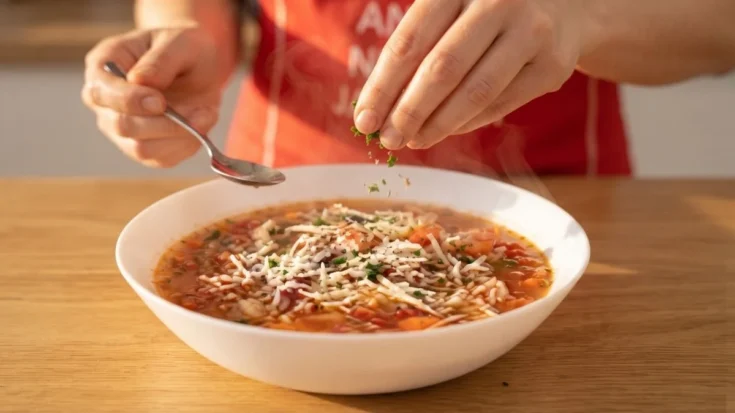
Ladle the hot minestrone into bowls. Top generously with grated parmesan cheese and freshly chopped parsley, then finish each bowl with a drizzle of good extra virgin olive oil before serving.
Notes
Store minestrone in an airtight container in the refrigerator for up to 4–5 days. For longer storage, freeze the soup without pasta for up to 3 months. Reheat gently on the stovetop over medium-low heat, adding a splash of stock if needed to loosen the broth.
Nutrition Information:
Yield:
8Serving Size:
1Amount Per Serving: Calories: 366
Roberto’s Authentic Italian Minestrone is proof that the best recipes often come without exact measurements -just good ingredients, patience, and a willingness to taste as you go. This rich, pork-based minestrone delivers deep, comforting flavor in every spoonful, filling your kitchen with the same warmth found at Jean-Talon Market’s Little Italy. Whether served with crusty bread or a glass of red wine, this soup is destined to become a cherished staple in your own kitchen for years to come.
We’d love to know how this recipe works out for you! Give it a try and leave a comment below to share your experience, tips, or any tweaks you made. Don’t forget to follow us on Pinterest and YouTube for more tasty recipes and kitchen inspiration. Your support and feedback truly mean everything to us!