
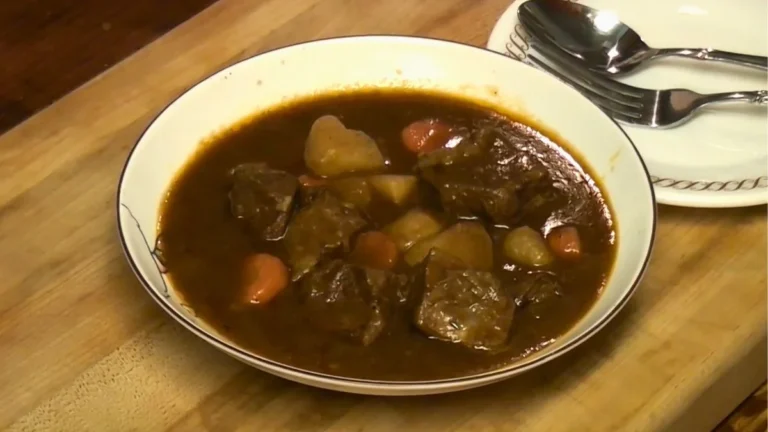

If you grew up reaching for that iconic blue and yellow can on a cold winter evening, this homemade Dinty Moore Beef Stew recipe is going to bring back every warm, nostalgic memory.
Inspired by the beloved 1950s original, this scratch-made version captures everything that made the canned classic so comforting -tender chunks of slow-simmered beef, hearty potatoes, sweet carrots, and a thick, glossy brown gravy -but with the deep, rich flavor that only comes from cooking it yourself.
Whether you are feeding a hungry family on a weeknight or craving a bowl of old-fashioned beef stew from scratch, this recipe delivers that iconic taste every time.
What Does Dinty Moore Beef Stew Taste Like?
Homemade Dinty Moore Beef Stew is the very definition of savory comfort. The slow-simmered chuck beef becomes melt-in-your-mouth tender, soaking up every bit of the deep, beefy broth.
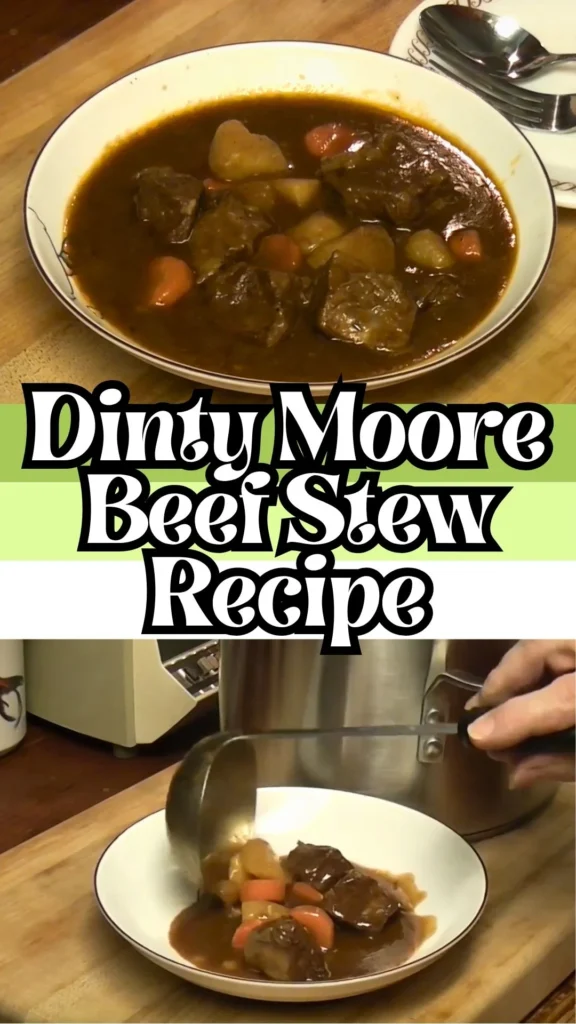
The gravy is thick, glossy, and rich -lightly sweet from a touch of sugar, earthy from thyme, and rounded out with the umami depth of Ac’cent (MSG) and Kitchen Bouquet’s signature caramel color.
Soft potatoes and sweet carrots round out every spoonful, making this classic American beef stew taste like it has been cooking all day -even though it comes together in under two hours on your stovetop.
Ingredients & Kitchen Equipment
Ingredients
- Beef stewing meat -2 lbs (chuck roast recommended), cut into chunks
- Olive oil – 1 tablespoon, for browning
- Beef broth -4 cups
- Tomato puree -1 cup
- Potatoes -3 cups, chopped
- Carrots -1½ cups, chopped
- White corn flour -3 tablespoons (for thickening)
- Kosher salt -1 teaspoon
- Ground black pepper -¼ teaspoon
- Sugar -1 teaspoon
- Garlic powder -1 teaspoon
- Onion powder -½ teaspoon
- Dried thyme -⅛ teaspoon
- Ac’cent (MSG) -1 teaspoon
- Kitchen Bouquet (caramel browning sauce) -1 teaspoon
Kitchen Utensils
- Large Dutch oven or heavy-bottomed pot with lid
- Wooden spoon or heat-safe stirring spoon
- Sharp chef’s knife and cutting board
- Measuring cups and measuring spoons
- Small bowl or measuring cup (for slurry)
- Whisk
- Ladle
- Tongs (for browning the beef)
- Peeler (for potatoes and carrots)
- Serving bowls or deep plates
Preparation Time, Cooking Time & Servings
- Prep Time: 15 minutes
- Cook Time: 2 hours
- Total Time: 2 hours 15 minutes
- Servings: 6
- Difficulty: Easy
How to Make Dinty Moore Beef Stew from Scratch
Step 1 -Brown the Beef
Heat 1 tablespoon of olive oil in a large Dutch oven or heavy-bottomed pot over medium-high heat. Add the 2 lbs of beef stewing meat and sear the pieces well on all sides until deeply browned -about 3 to 4 minutes per side. Do not rush this step. That golden-brown crust builds the foundation of flavor for the entire stew gravy.
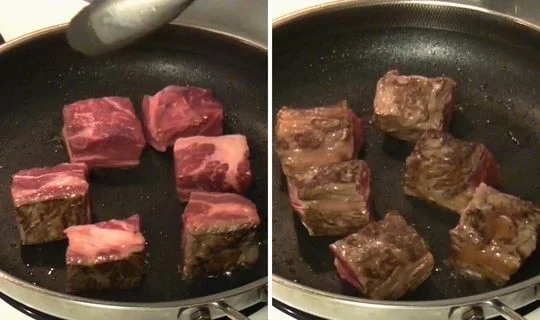
Brown the beef in batches if needed. Crowding the pot traps steam and prevents proper searing -you want a dark crust, not gray, steamed meat.
Step 2 -Simmer the Meat in Broth
Pour in the 4 cups of beef broth and 1 cup of tomato puree, stirring well to deglaze the bottom of the pot and lift all those browned bits (this is pure flavor). Cover the pot with a lid and reduce the heat to a gentle, steady simmer. Let the beef cook for approximately 1½ hours, or until it is fork-tender and begins to easily break apart when pressed.
Step 3 -Add Vegetables & Seasonings
Remove the lid. Add the 3 cups of chopped potatoes and 1½ cups of chopped carrots directly into the pot. Then add the complete seasoning blend: kosher salt, ground black pepper, sugar, garlic powder, onion powder, dried thyme, Ac’cent (MSG), and Kitchen Bouquet. Stir everything together well and simmer uncovered for 15 to 20 minutes, until the potatoes and carrots reach your desired tenderness.
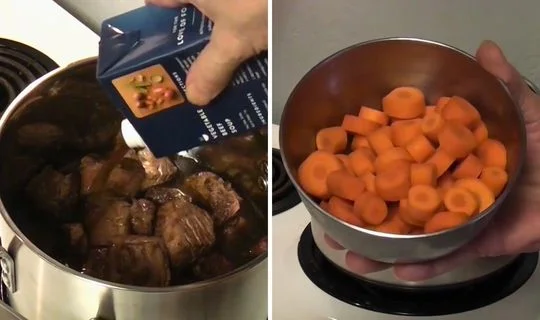
Cut potatoes and carrots into similar-sized pieces so they cook evenly. Aim for roughly 1-inch chunks -substantial enough to hold their shape in the thick stew gravy without turning to mush.
Step 4 -Thicken the Stew Gravy
Ladle out 1 cup of the hot cooking liquid from the pot into a small bowl. Whisk the 3 tablespoons of white corn flour directly into the warm liquid until completely smooth and free of any lumps. Pour the corn flour slurry back into the main pot of stew, stirring continuously. Let the stew simmer gently for another 10 to 15 minutes until the gravy thickens to a rich, glossy consistency that coats the back of a spoon.
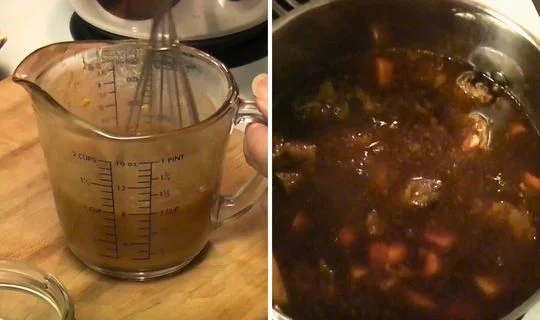
Always mix the corn flour into warm liquid pulled from the pot -never add dry corn flour directly into the stew. This slurry method prevents lumps and gives you a perfectly smooth, glossy beef stew gravy every time.
Step 5 -Rest and Serve
Remove the pot from the heat and let the stew rest for 5 minutes before serving -this allows the gravy to settle and thicken just a little more.
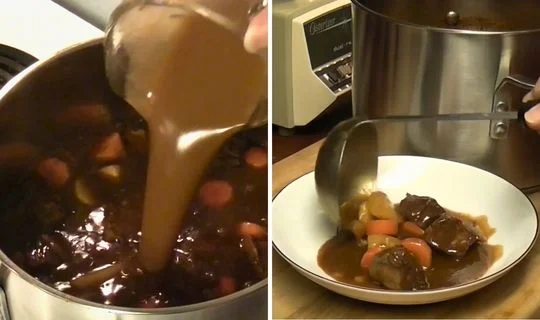
Ladle generously into deep bowls and serve on its own, over a bed of steamed white rice, or alongside buttered egg noodles for a true 1950s-inspired comfort food meal.
Customization & Serving Ideas for Beef Stew
1. Serve Over Buttered Egg Noodles for a Classic Comfort Pairing
One of the most traditional ways to enjoy hearty beef stew is ladled generously over wide, buttered egg noodles. The noodles soak up the thick, savory brown gravy beautifully and add a satisfying starchy base that turns this stew into an even more filling, old-fashioned dinner. This serving style was especially popular in 1950s American home cooking and feels deeply nostalgic.
2. Ladle Over Steamed White Rice or Brown Rice
Spooning this rich Dinty Moore-style beef stew over a mound of fluffy steamed rice is a simple, satisfying option that stretches the dish further -perfect for feeding a larger family. The rice absorbs every drop of the beefy, glossy gravy and provides a neutral base that lets the bold stew flavors shine. Brown rice adds a nutty, wholesome twist.
3. Pair with Warm Crusty Bread or Buttered Dinner Rolls
Nothing completes a bowl of homemade beef stew quite like a thick slice of crusty sourdough or a warm, soft dinner roll for dipping. The bread soaks up the thick gravy from the bottom of the bowl and turns every last spoonful into something special. Garlic bread or a simple biscuit also work wonderfully alongside this stew.
4. Add Frozen Peas or Green Beans for Extra Vegetables
Stir in a cup of frozen peas or chopped green beans during the last 5 minutes of cooking for a pop of color, freshness, and added nutrition. These vegetables cook quickly and don’t need a long simmer -just enough time to heat through and soften slightly. This is an easy way to stretch the recipe and sneak more vegetables into a family meal.
5. Make It Slow Cooker Style for a Set-and-Forget Version
Brown the beef and deglaze the pot on the stovetop first (don’t skip this -it’s essential for depth of flavor), then transfer everything to a slow cooker. Cook on LOW for 7 to 8 hours or HIGH for 4 to 5 hours. Add the corn flour slurry during the last 30 minutes with the lid off to thicken the gravy. The low-and-slow method produces incredibly tender, fall-apart beef.
6. Top with Fresh Herbs for a Bright, Modern Finish
Right before serving, scatter a handful of freshly chopped flat-leaf parsley or fresh thyme leaves over the top of the stew. The fresh herbs add a vibrant green color and a light, aromatic brightness that beautifully contrasts the deep, rich brown gravy. It’s a small garnish that elevates the visual presentation and adds a layer of fresh flavor.
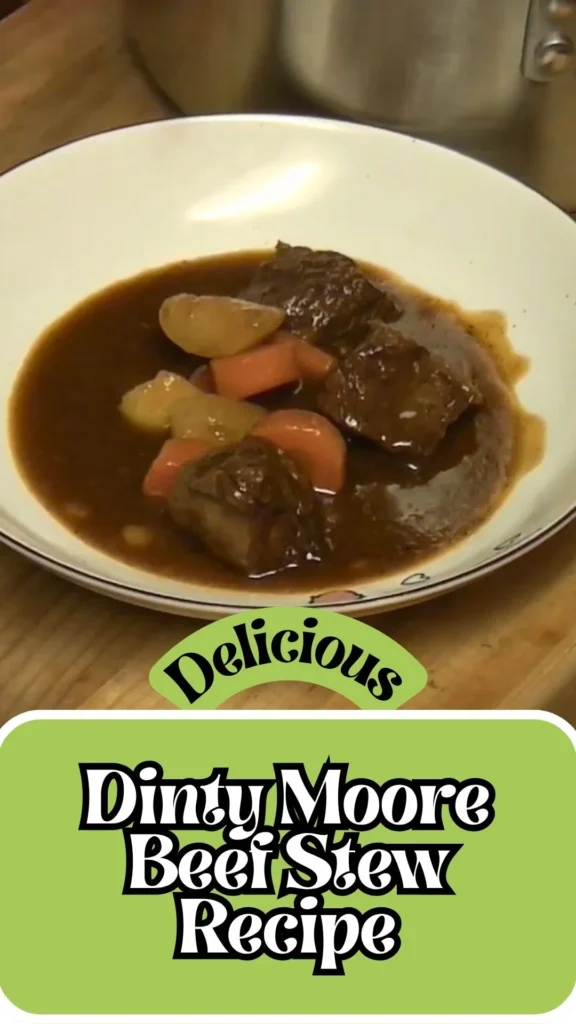
7. Serve with a Fresh Side Dish
Balance the rich flavors of this Dinty Moore Beef Stew Recipe with our olive garden house salad recipe and Garden Vegetable Rice Recipe. The crisp vegetables and flavorful rice add freshness and texture to this comforting, hearty meal.
Pro Tips for the Best Homemade Dinty Moore Beef Stew
1. Choose Chuck Roast for the Most Tender Beef
Chuck roast is the gold standard cut for beef stew, and for good reason. It comes from the shoulder of the cow, a well-worked muscle that is laced with connective tissue and fat. During the long, slow simmer, that connective tissue breaks down into gelatin, making the beef incredibly tender, juicy, and flavorful. Pre-cut “stewing beef” from the grocery store is often chuck -but buying and cutting a whole chuck roast yourself gives you better control over the chunk size and quality.
2. Don’t Skip the Browning Step
Searing the beef before simmering it is one of the most important steps in this recipe. The Maillard reaction- the chemical process that creates that deep brown crust -produces hundreds of complex flavor compounds that form the base of your stew’s gravy. Skipping this step produces a pale, flat-tasting stew. Take the extra 10 minutes to brown the beef properly, and the difference in flavor will be remarkable.
3. Deglaze the Pot Thoroughly
After browning the beef, you will notice dark, caramelized bits stuck to the bottom of the Dutch oven -these are called fond, and they are packed with concentrated beefy flavor. When you pour in the broth and tomato puree, use your wooden spoon to scrape every bit of fond off the bottom of the pot and stir it into the liquid. This deglazing step infuses the broth with an extra layer of deep, roasted flavor that makes a big difference in the finished stew.
4. Use Kitchen Bouquet for Authentic Color and Flavor
Kitchen Bouquet is a caramel browning and seasoning sauce that has been a staple in American home kitchens since the late 1800s. Just 1 teaspoon adds that characteristic dark, rich mahogany color and a subtle savory depth that is part of what makes the original Dinty Moore Beef Stew so visually recognizable and distinctive. It is widely available in the condiment aisle of most grocery stores.
5. Don’t Fear the MSG (Ac’cent)
Ac’cent is simply the brand name for monosodium glutamate (MSG), a naturally occurring flavor enhancer that amplifies savory, umami depth in dishes without adding saltiness. MSG is found naturally in foods like tomatoes, parmesan cheese, and mushrooms -it is thoroughly studied and safe to use in cooking. In this recipe, it is one of the secret weapons that gives the stew that familiar, deeply savory, canned-classic flavor that so many people remember from childhood.
6. Simmer Low and Slow for Fork-Tender Beef
Patience is the key to truly tender beef stew meat. A hard, rolling boil will tighten the muscle fibers and make the beef tough and chewy -no matter how long you cook it. Keep the heat at a gentle, steady simmer where the surface of the liquid barely bubbles. At this temperature, the collagen in the chuck roast slowly breaks down over 1½ hours into silky gelatin, producing that melt-in-your-mouth texture that defines a great beef stew.
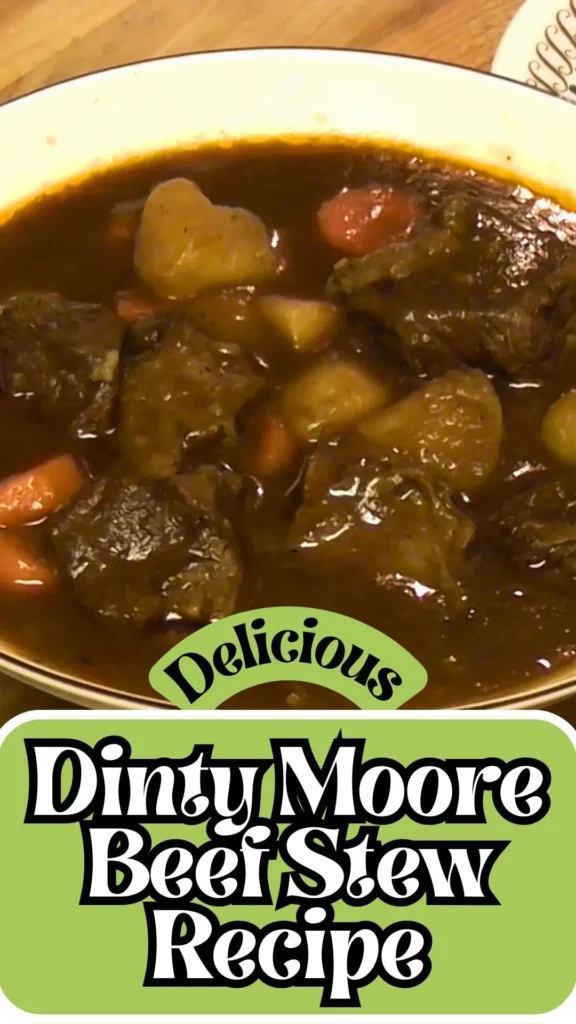
7. Rest the Stew Before Serving
Once you remove the pot from the heat, let the stew rest, uncovered, for at least 5 minutes before ladling it into bowls. As the stew cools slightly, the gravy continues to thicken and the flavors meld together more cohesively. Beef stew -like most braised dishes -actually tastes even better the next day after a night in the refrigerator, when the flavors have had time to fully develop and deepen overnight.
Storage & Reheating Guidance
- Refrigerator: Store in an airtight container for up to 4 days. The stew thickens further overnight -add a splash of beef broth when reheating to loosen it back to the right consistency.
- Freezer: Freezes beautifully for up to 3 months. Store in freezer-safe containers or zip-lock bags. Thaw overnight in the refrigerator before reheating.
- Reheat: Warm gently on the stovetop over medium-low heat, stirring occasionally and adding a splash of broth as needed. Can also be reheated in the microwave in 90-second intervals, stirring between each.
Frequently Asked Questions About Dinty Moore Beef Stew
Here, we’ve got you covered with some common questions that people often ask.
What cut of beef is best for homemade beef stew?
Chuck roast is the best cut for beef stew by a wide margin. It has the ideal ratio of lean muscle to fat and connective tissue, which breaks down during the long simmer into gelatin and creates a tender, juicy, deeply flavored stew. Other good options include beef brisket or bottom round, though both are leaner and may produce a slightly less rich result than chuck.
What is Kitchen Bouquet and can I skip it?
Kitchen Bouquet is a caramel-based browning and seasoning sauce used to add dark color and subtle savory flavor to gravies, stews, and sauces. It is what gives this homemade Dinty Moore-style beef stew its characteristic deep mahogany color. You can skip it, but the stew will look noticeably lighter and paler. Worcestershire sauce is the closest substitute -use 1 teaspoon in its place for a similar depth of color and savory flavor.
Can I use cornstarch instead of white corn flour to thicken the stew?
Yes. Cornstarch is actually a slightly more refined thickener than white corn flour and will produce an even glossier, silkier gravy. Use 2 tablespoons of cornstarch in place of 3 tablespoons of corn flour. Mix it into the warm ladle of liquid the same way -always make a slurry first to avoid lumps -and stir it back into the pot.
Is Ac’cent (MSG) safe to use in cooking?
Yes. MSG is one of the most extensively studied food additives in the world and has been affirmed as safe by the FDA, WHO, and food safety bodies worldwide. The idea that MSG causes adverse reactions has been thoroughly debunked by multiple large-scale scientific studies. Ac’cent (MSG) is used here in a very small amount -1 teaspoon across 6 servings -and contributes the savory umami depth that is a hallmark of the original Dinty Moore flavor profile.
Can I make this beef stew in a slow cooker or Instant Pot?
Absolutely. For the slow cooker, brown the beef on the stovetop first, then transfer everything to the slow cooker and cook on LOW for 7 to 8 hours or HIGH for 4 to 5 hours. Add the corn flour slurry in the last 30 minutes. For the Instant Pot, use the Sauté function to brown the beef, add all ingredients except the thickener, and pressure cook on HIGH for 35 minutes with a natural release. Stir in the slurry using the Sauté function afterward.
Can I make this beef stew recipe gluten-free?
Yes. This recipe is naturally very close to gluten-free already. White corn flour (masa harina) is gluten-free, and the remaining ingredients are naturally free of gluten. Just double-check that your beef broth, tomato puree, Ac’cent, and Kitchen Bouquet are certified gluten-free, as some brands may contain trace gluten from shared processing facilities.
Why does my beef stew gravy look thin even after adding the thickener?
If the gravy is still thin after adding the corn flour slurry, the most common reasons are that the slurry was not simmered long enough (it needs at least 10 to 15 minutes of gentle simmering to fully activate and thicken), or too much liquid remains in the pot. Continue to simmer uncovered for an additional 10 minutes. You can also make a second small slurry with 1 tablespoon of corn flour and 3 tablespoons of warm broth and stir it in for extra thickening power.
How do I make this beef stew taste more like the original canned Dinty Moore?
The key flavor bridges to the original canned product are the Ac’cent (MSG), Kitchen Bouquet, tomato puree, and the specific seasoning blend used in this recipe -particularly the combination of garlic powder, onion powder, and a small amount of sugar, which mimics the slightly sweet, savory profile of the canned version. Using beef broth (not water) and properly browning the chuck roast are also critical for achieving that familiar depth of flavor in a from-scratch version.
Dinty Moore Beef Stew Recipe
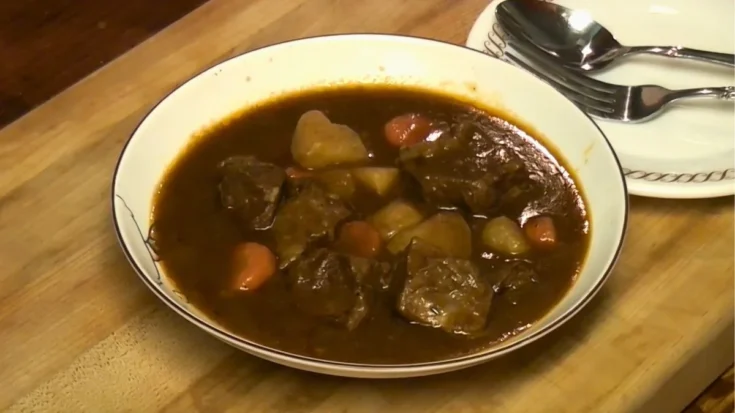
Inspired by the beloved 1950s original, this scratch-made version captures everything that made the canned classic so comforting -tender chunks of slow-simmered beef, hearty potatoes, sweet carrots, and a thick, glossy brown gravy -but with the deep, rich flavor that only comes from cooking it yourself.
Ingredients
- Beef stewing meat -2 lbs (chuck roast recommended), cut into chunks
- Olive oil – 1 tablespoon, for browning
- Beef broth -4 cups
- Tomato puree -1 cup
- Potatoes -3 cups, chopped
- Carrots -1½ cups, chopped
- White corn flour -3 tablespoons (for thickening)
- Kosher salt -1 teaspoon
- Ground black pepper -¼ teaspoon
- Sugar -1 teaspoon
- Garlic powder -1 teaspoon
- Onion powder -½ teaspoon
- Dried thyme -⅛ teaspoon
- Ac’cent (MSG) -1 teaspoon
- Kitchen Bouquet (caramel browning sauce) -1 teaspoon
Instructions
Step 1 -Brown the Beef
Heat 1 tablespoon of olive oil in a large Dutch oven or heavy-bottomed pot over medium-high heat. Add the 2 lbs of beef stewing meat and sear the pieces well on all sides until deeply browned -about 3 to 4 minutes per side. Do not rush this step. That golden-brown crust builds the foundation of flavor for the entire stew gravy.
Brown the beef in batches if needed. Crowding the pot traps steam and prevents proper searing -you want a dark crust, not gray, steamed meat.
Step 2 -Simmer the Meat in Broth
Pour in the 4 cups of beef broth and 1 cup of tomato puree, stirring well to deglaze the bottom of the pot and lift all those browned bits (this is pure flavor). Cover the pot with a lid and reduce the heat to a gentle, steady simmer. Let the beef cook for approximately 1½ hours, or until it is fork-tender and begins to easily break apart when pressed.
Step 3 -Add Vegetables & Seasonings
Remove the lid. Add the 3 cups of chopped potatoes and 1½ cups of chopped carrots directly into the pot. Then add the complete seasoning blend: kosher salt, ground black pepper, sugar, garlic powder, onion powder, dried thyme, Ac’cent (MSG), and Kitchen Bouquet. Stir everything together well and simmer uncovered for 15 to 20 minutes, until the potatoes and carrots reach your desired tenderness.
Cut potatoes and carrots into similar-sized pieces so they cook evenly. Aim for roughly 1-inch chunks -substantial enough to hold their shape in the thick stew gravy without turning to mush.
Step 4 -Thicken the Stew Gravy
Ladle out 1 cup of the hot cooking liquid from the pot into a small bowl. Whisk the 3 tablespoons of white corn flour directly into the warm liquid until completely smooth and free of any lumps. Pour the corn flour slurry back into the main pot of stew, stirring continuously. Let the stew simmer gently for another 10 to 15 minutes until the gravy thickens to a rich, glossy consistency that coats the back of a spoon.
Always mix the corn flour into warm liquid pulled from the pot -never add dry corn flour directly into the stew. This slurry method prevents lumps and gives you a perfectly smooth, glossy beef stew gravy every time.
Step 5 -Rest and Serve
Remove the pot from the heat and let the stew rest for 5 minutes before serving -this allows the gravy to settle and thicken just a little more.
Ladle generously into deep bowls and serve on its own, over a bed of steamed white rice, or alongside buttered egg noodles for a true 1950s-inspired comfort food meal.
Notes
- Refrigerator: Store in an airtight container for up to 4 days. The stew thickens further overnight -add a splash of beef broth when reheating to loosen it back to the right consistency.
- Freezer: Freezes beautifully for up to 3 months. Store in freezer-safe containers or zip-lock bags. Thaw overnight in the refrigerator before reheating.
- Reheat: Warm gently on the stovetop over medium-low heat, stirring occasionally and adding a splash of broth as needed. Can also be reheated in the microwave in 90-second intervals, stirring between each.
Nutrition Information:
Yield:
6Serving Size:
1Amount Per Serving: Calories: 523
We’d love to know how this recipe works out for you! Give it a try and leave a comment below to share your experience, tips, or any tweaks you made. Don’t forget to follow us on Pinterest and YouTube for more tasty recipes and kitchen inspiration. Your support and feedback truly mean everything to us!