
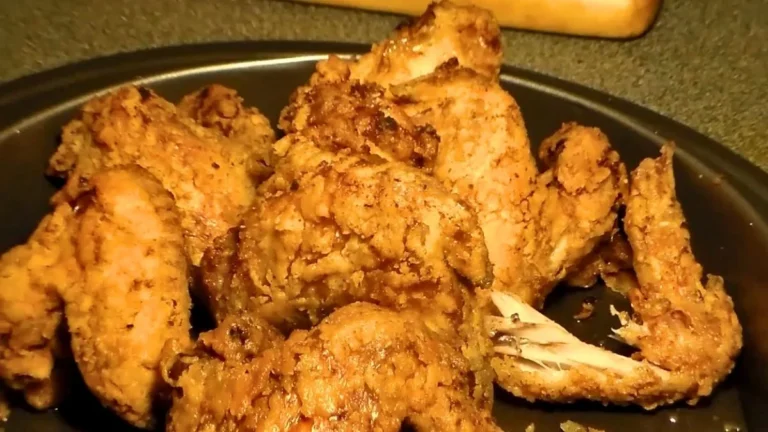

Willie Mae’s Scotch House in New Orleans is not just a restaurant -it is a James Beard Award-winning institution that has been serving some of the most legendary Southern fried chicken in America since 1957.
What makes Willie Mae’s fried chicken so unforgettable is the long buttermilk marinade, the deeply seasoned flour coating, and the patience built into every single step.
This copycat Willie Mae’s fried chicken recipe brings that iconic New Orleans soul food experience straight to your kitchen. With the right seasoning blend, a proper overnight buttermilk soak, and the correct frying technique, you can recreate that gloriously crunchy, juicy, flavor-packed fried chicken right at home.
What Does Willie Mae’s Fried Chicken Taste Like?
Willie Mae’s fried chicken is in a class entirely its own. The exterior is gloriously golden, crunchy, and smooth -not a shaggy, crackly crust, but a tight, lacquered coating that shatters just slightly when you bite through it.
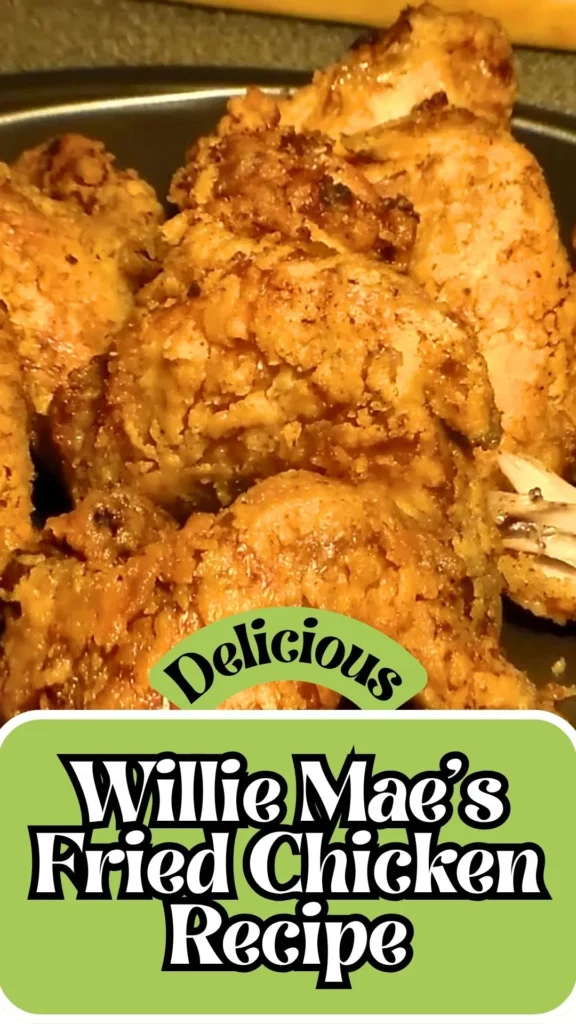
Underneath, the chicken is impossibly juicy and tender, deeply flavored from the inside out thanks to the long buttermilk marinade.
You get layers of flavor in every bite -the tang of buttermilk, the warmth of paprika and oregano, the subtle heat of cayenne, and a savory depth from garlic and Worcestershire-adjacent seasoning. It is comfort food elevated to something truly transcendent.
Ingredients & Kitchen Equipment
Ingredients
Chicken & Dry Rub Seasoning:
- Chicken -8 pieces (a mix of wings, thighs, and drumsticks)
- Seasoning salt -enough to season well without over-salting
- Onion powder -generous amount, used in both rub and flour
- Black pepper -use a generous amount throughout
- Oregano -about 1 teaspoon
- Cayenne pepper -a small pinch (just for subtle background heat)
- Paprika -for color and warmth
Buttermilk Marinade:
- Buttermilk -enough to fully submerge the chicken
- Texas Pete hot sauce -6–7 squirts
- Minced garlic -about 1 teaspoon (it is strong, use sparingly)
- Parsley flakes -about 2 tablespoons
Seasoned Flour Coating:
- All-purpose flour -enough to thoroughly dredge 8 pieces
- Seasoning salt -about 1 teaspoon
- Onion powder -extra, to compensate for what soaked into the buttermilk
- Black pepper -freshly ground
For Frying:
- Neutral oil -vegetable, canola, or peanut oil for deep frying
Kitchen Utensils
- Large mixing bowl (for seasoning and marinating)
- Large Ziploc bag or airtight container with lid
- Wire cooling rack and sheet pan
- Large deep pot or Dutch oven
- Deep-fry thermometer
- Long-handled tongs
- Shallow baking dish or large plate (for dredging)
- Paper towels or a second wire rack (for draining)
- Measuring spoons
Preparation Time, Cooking Time & Servings
- Prep Time: 30 minutes
- Marinating Time: 8 hours minimum (overnight recommended)
- Cook Time: 15–17 minutes per batch
- Total Time: 8 hours 45 minutes
- Servings: 4 (8 pieces of chicken)
- Difficulty: Intermediate
How to Make Willie Mae’s Fried Chicken -Step-by-Step
Step 1 -Season the Raw Chicken
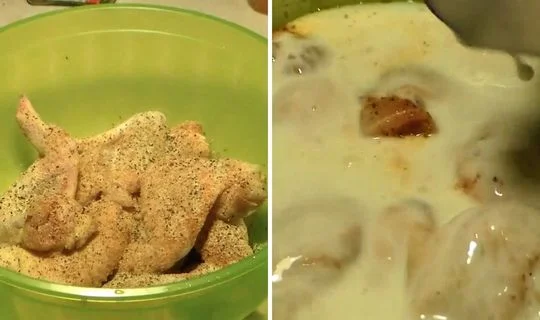
Place all 8 pieces of chicken into a large mixing bowl. Season generously with seasoning salt, onion powder, a good amount of black pepper, approximately 1 teaspoon of oregano, a small pinch of cayenne pepper, and paprika. Use your hands to mix everything together thoroughly, making sure every piece of chicken is evenly coated in the dry seasoning blend. Be mindful not to over-salt -the buttermilk marinade will also carry seasoning into the meat.
Step 2 -Make the Buttermilk Marinade
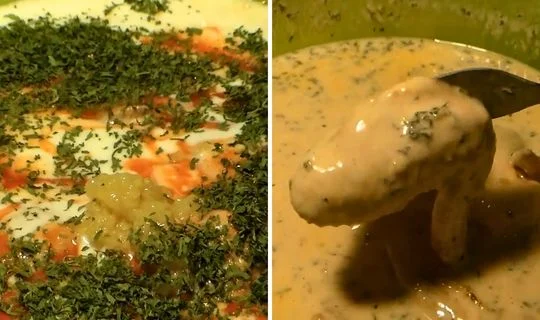
Pour enough buttermilk over the seasoned chicken to fully submerge all 8 pieces. Add 6–7 squirts of Texas Pete hot sauce, approximately 1 teaspoon of minced garlic (it is pungent, so do not overdo it), and about 2 tablespoons of dried parsley flakes. Stir everything together so the buttermilk marinade is well combined and all the chicken is coated.
Step 3 -Marinate the Chicken (Minimum 8 Hours)
Cover the bowl tightly with plastic wrap or transfer everything to an airtight container. Refrigerate for at least 8 hours -overnight is strongly recommended, and the chicken can marinate for up to one full week. This extended buttermilk soak is the non-negotiable foundation of Willie Mae’s flavor. Less than 8 hours simply does not give the buttermilk enough time to fully tenderize the meat and infuse it with flavor from the inside out.
Pro Tip: The longer you marinate, the more the buttermilk’s lactic acid breaks down the muscle fibers, resulting in unbelievably tender, juicy fried chicken. If you can plan ahead, marinate the chicken the night before you plan to cook.
Step 4 -Drain the Marinated Chicken
Remove the chicken pieces from the buttermilk marinade and place them on a wire rack set over a bowl or sheet pan. Allow the excess buttermilk to drip off naturally for 10–15 minutes. Do not shake or wipe the chicken -you want a thin, even coating of buttermilk still clinging to the surface. This controlled draining step prevents the flour coating from clumping in patches and ensures an even, smooth crust.
Step 5 -Season the Flour
In a large shallow dish, combine all-purpose flour with about 1 teaspoon of seasoning salt, extra onion powder, and freshly ground black pepper. You can also add any of the original dry rub seasonings -paprika, oregano, or a little more cayenne -to the flour at this stage. Seasoning the flour separately is critical because a significant amount of the original seasoning washes off into the buttermilk during the long marinade. The flour coating needs its own seasoning layer to maintain the depth of flavor in the finished crust.
Step 6 -Dredge and Rest the Coated Chicken
Dredge each piece of drained chicken thoroughly in the seasoned flour, pressing firmly to ensure complete coverage on all sides. Once coated, place the floured pieces back on the wire rack and allow them to rest for 10–20 minutes. During this resting period, the residual buttermilk moisture will absorb into the flour, creating a slightly tacky, gluey coating rather than a dry, chalky white surface. This matted, damp-looking coating is exactly what you want -it is the secret to Willie Mae’s signature smooth, tight, lacquered crust.
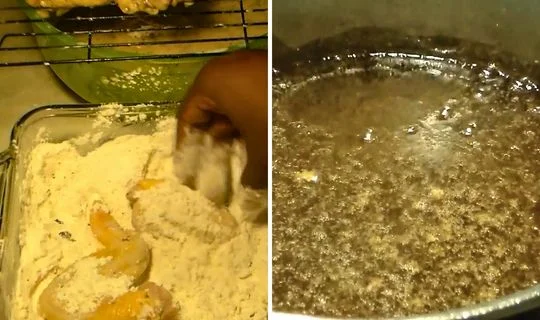
Coating Tip: If the flour looks completely dry and powdery on the surface after dredging, the crust will be too thick and will fall off during frying. The slight moisture absorption is what locks the coating to the chicken.
Step 7 – Deep Fry the Chicken
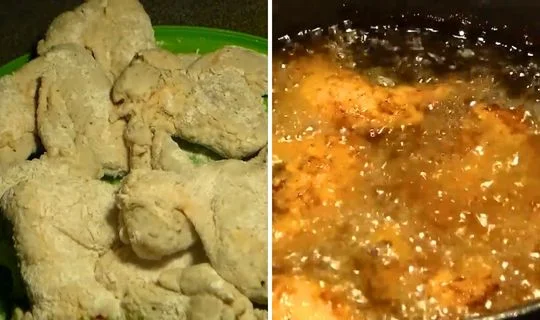
Pour neutral oil into a large deep pot or Dutch oven and heat it on high for 7–10 minutes until the oil is very hot. Reduce to medium heat before adding the chicken. Fry in batches -do not crowd the pot -using the following timing guide:
- Wings: 10–12 minutes
- Thighs and drumsticks: 15–17 minutes
The chicken is ready when it floats to the top of the oil and is a deep, even golden brown. Frying in batches is essential -adding too many pieces at once drops the oil temperature, resulting in greasy, soggy chicken rather than the crisp crust Willie Mae’s is famous for.
Step 8 -Drain and Serve
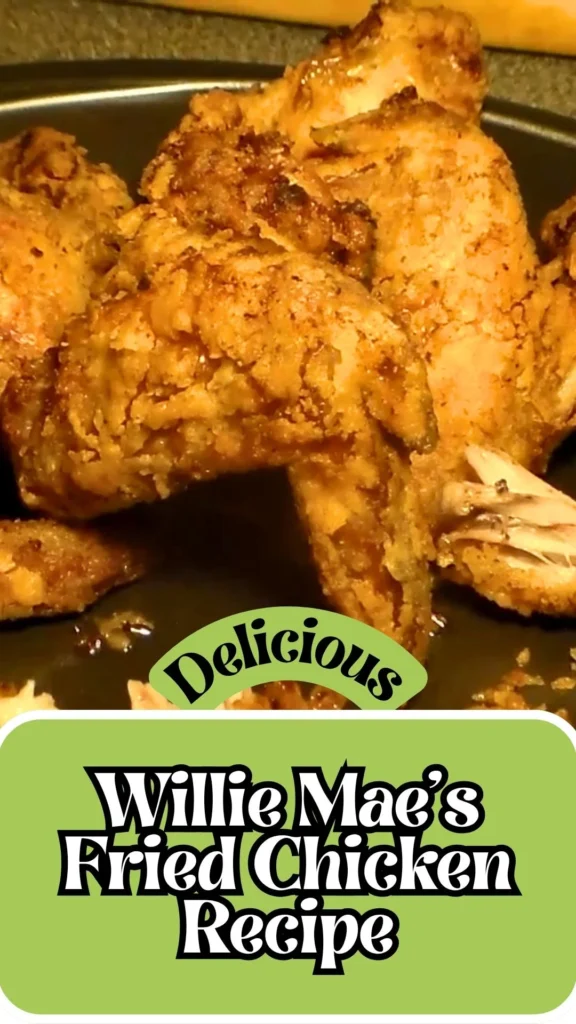
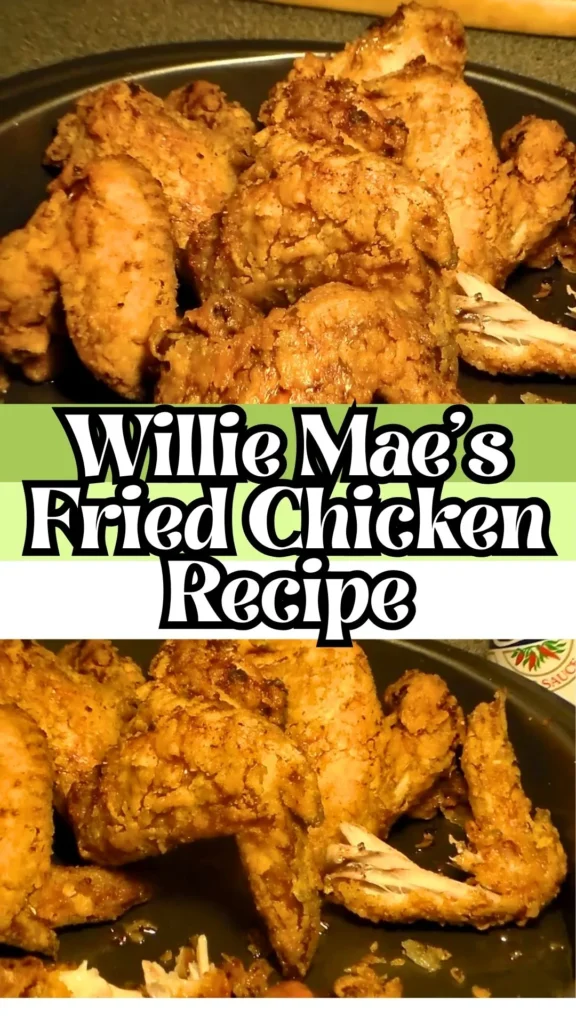
Remove the fried chicken from the oil using long tongs and transfer to a wire rack or paper towel-lined tray to drain. Allow each piece to rest for 3–5 minutes before serving. The coating should be golden, crunchy, and smooth. The meat should be cooked fully through, juicy, and bursting with that unmistakable buttermilk and layered seasoning flavor.
Customization & Serving Ideas for Willie Mae’s Fried Chicken
1. Serve It New Orleans Style with Red Beans and Rice
Willie Mae’s Scotch House famously serves their fried chicken alongside classic New Orleans red beans and rice. The creamy, smoky beans cooked with andouille sausage and the Creole-seasoned rice perfectly complement the bold, crispy chicken. This pairing is the most authentic way to experience the full Willie Mae’s Scotch House experience at home.
2. Make It a Southern Comfort Plate with Mashed Potatoes and Gravy
Pair the fried chicken with buttery mashed potatoes and a rich country gravy for the ultimate Southern comfort food dinner plate. The creamy potatoes soak up the pan drippings beautifully, while the gravy adds a savory, homestyle richness that turns this dish into a full, satisfying meal for the whole family.
3. Build a Complete Southern Meal
Turn this Willie Mae’s Fried Chicken Recipe into a memorable Southern feast by serving it with our claussen kosher pickle recipe and olive garden garlic mashed potatoes recipe. The crisp pickles and creamy potatoes perfectly balance the juicy, crispy fried chicken.
4. Spice It Up Nashville Hot Style
Brush the freshly fried chicken with a Nashville hot sauce -made from cayenne pepper, brown sugar, garlic powder, and a little frying oil -right after it comes out of the fryer. The heat soaks into the crust while it’s still piping hot, creating a spicy, glossy coating that is addictive and deeply satisfying for heat lovers.
5. Serve Alongside Classic Southern Collard Greens
Slow-braised collard greens cooked with smoked turkey or ham hock pair beautifully with Willie Mae’s fried chicken, adding a slightly bitter, deeply savory green to cut through the richness of the fried crust. This is a timeless soul food pairing that anchors the meal in Southern culinary tradition.
6. Make It a Brunch Plate with Waffles and Honey Butter
Serve Willie Mae’s fried chicken on top of a fluffy Belgian waffle with a generous pat of honey butter and a drizzle of warm maple syrup for a Southern chicken and waffles brunch. The salty, crispy, herby chicken against the sweet, pillowy waffle is one of the most celebrated flavor contrasts in all of American comfort food.
7. Pair with a Tangy Buttermilk Dipping Sauce or Hot Honey
Make a simple buttermilk ranch dipping sauce -buttermilk, mayo, dill, garlic, and lemon -as a companion to the fried chicken, or serve with a jar of hot honey on the side. The cool, creamy sauce echoes the buttermilk marinade inside the chicken, while hot honey adds a floral sweetness and slow burn that enhances every bite.
Pro Tips for Perfect Willie Mae’s Style Fried Chicken
1. Never Cut the Marinating Time Short
Eight hours is the absolute minimum, but overnight marinating produces dramatically superior results. The buttermilk’s natural lactic acid works slowly over time, tenderizing the chicken at a cellular level while the seasonings fully penetrate the meat. Cutting the marinade time to 2–3 hours will result in chicken that tastes seasoned only on the surface rather than all the way through.
2. Season in Layers -Not Just Once
Willie Mae’s depth of flavor comes from seasoning at multiple stages: the dry rub on the raw chicken, the seasoned buttermilk marinade, and the seasoned flour coating. Each layer adds a different dimension of flavor. Skipping any one of these layers -especially the flour seasoning -will produce a noticeably flat, one-dimensional result compared to the real thing.
3. Use a Deep Pot, Not a Shallow Skillet
Deep frying in a large Dutch oven or deep stockpot gives you the oil depth needed to fully submerge the chicken. Shallow pan frying requires flipping and risks uneven cooking. Full submersion in hot oil ensures every surface of the crust cooks simultaneously and evenly, producing that signature uniform golden-brown color Willie Mae’s fried chicken is known for.
4. Maintain Oil Temperature Throughout Frying
The most common mistake in home deep frying is allowing the oil temperature to drop too low. When cold chicken hits the oil, the temperature drops naturally. This is why cooking in batches and returning the oil to full heat between each batch is essential. Oil that is too cool will produce greasy, pale, soft-crusted chicken rather than the crackling golden crust you are after.
5. Let the Coated Chicken Rest Before Frying
The 10–20 minute resting period after dredging the chicken in seasoned flour is not optional -it is the step that defines the crust. This rest time allows the buttermilk moisture to hydrate the flour from the inside, creating that characteristic tacky, matted coating. Fried immediately after dredging, the flour will blow off in the oil and you will lose the smooth, tight crust entirely.
6. Use a Wire Rack -Not Paper Towels Alone -for Draining
Draining fried chicken directly on paper towels traps steam underneath the pieces, softening the bottom crust within minutes. Place the fried chicken on a wire rack set over a paper towel-lined sheet pan instead. Air can circulate freely under each piece, keeping the entire crust crispy from bottom to top while the excess oil still drains safely away.
7. Peanut Oil Produces the Best Frying Results
While vegetable or canola oil will work adequately, peanut oil is the traditional Southern deep-frying choice and for good reason. It has a high smoke point (around 450°F), a neutral-to-slightly-nutty flavor that enhances fried chicken, and it maintains its heat stability over multiple batches better than most alternatives. If there are no nut allergies to consider, peanut oil is the professional choice for this recipe.
Storage & Reheating Guidance
- Refrigerator: Store leftover fried chicken in an airtight container for up to 3 days. Keep uncovered for the first 30 minutes after cooking to prevent steam from softening the crust.
- Freezer: Freeze fully cooled fried chicken pieces in a single layer on a sheet pan, then transfer to a freezer bag for up to 2 months.
- Reheat: Reheat in a 375°F oven on a wire rack for 15–20 minutes to restore crispiness. Avoid the microwave -it makes the coating soggy and the meat rubbery.
Frequently Asked Questions About Willie Mae’s Fried Chicken Recipe
Here, we’ve got you covered with some common questions that people often ask.
What makes Willie Mae’s fried chicken so special?
Willie Mae’s fried chicken stands apart because of its commitment to time and layered seasoning. The chicken marinates in a seasoned buttermilk bath for a minimum of 8 hours, which tenderizes the meat and infuses every fiber with flavor. The flour coating is separately seasoned to compensate for the loss during marinating, and the resting period before frying creates a uniquely smooth, tight, lacquered crust that is unlike typical home-fried chicken.
Can I use chicken breasts instead of wings and thighs?
Yes, but bone-in, skin-on dark meat pieces -thighs, drumsticks, and wings -are the traditional choice for this recipe and deliver the best results. Dark meat has a higher fat content that keeps the chicken juicy even through the long hot frying process. Boneless chicken breasts can be used, but they cook faster (8–10 minutes) and are more prone to drying out if even slightly overcooked.
What hot sauce is used in Willie Mae’s fried chicken marinade?
This recipe uses Texas Pete hot sauce, a North Carolina-style cayenne hot sauce that is mild to medium in heat with a tangy, vinegar-forward flavor. It adds a gentle, background heat to the buttermilk marinade without overpowering the other seasonings. If Texas Pete is unavailable, Crystal Hot Sauce or Louisiana Hot Sauce are the closest substitutes in terms of heat level and flavor profile.
How long should I marinate the chicken in buttermilk?
At minimum 8 hours, but overnight (12–16 hours) is the strongly recommended target. The buttermilk’s lactic acid needs extended time to break down the muscle proteins in the chicken and carry the seasoning deep into the meat. Less than 8 hours produces chicken that is seasoned only on the surface. The good news is that the chicken can safely marinate for up to one full week in the refrigerator, so there is plenty of flexibility in your planning.
Can I make this fried chicken without a deep fryer?
Yes. A large, heavy-bottomed Dutch oven or deep stockpot works perfectly as a home deep fryer. Use a clip-on deep-fry thermometer to monitor oil temperature. You want the oil between 325°F and 350°F during active frying. A Dutch oven retains heat well and minimizes temperature swings between batches, making it the best tool for home deep frying.
What is the secret to that smooth, tight fried chicken crust?
The secret is the 10–20 minute rest after dredging the chicken in seasoned flour. During this rest, the residual buttermilk moisture on the chicken surface slowly hydrates the flour coating from within, turning it from dry and chalky to slightly tacky and gluey. This matted, damp coating is what adheres perfectly to the chicken and creates that signature smooth, lacquered crust when it hits the hot oil -rather than a shaggy, crumbly exterior.
Is Willie Mae’s fried chicken spicy?
The recipe has background heat from cayenne pepper in the dry rub and Texas Pete hot sauce in the buttermilk marinade, but it is not aggressively spicy. The heat level is moderate and builds gently. If you prefer milder fried chicken, simply reduce the cayenne to the tiniest pinch or omit it entirely. For those who love more heat, double the cayenne and add extra hot sauce squirts to the buttermilk.
What oil temperature is best for frying this chicken?
Bring your oil to very hot before adding the chicken, then reduce to medium heat during frying to maintain a consistent temperature between 325°F and 350°F. At this range, the crust cooks to a deep golden brown while the heat has enough time to fully cook the bone-in pieces all the way through. Oil that is too hot (above 375°F) will burn the exterior before the interior is cooked; oil that is too cool will produce a greasy, pale crust.
Willie Mae's Fried Chicken Recipe
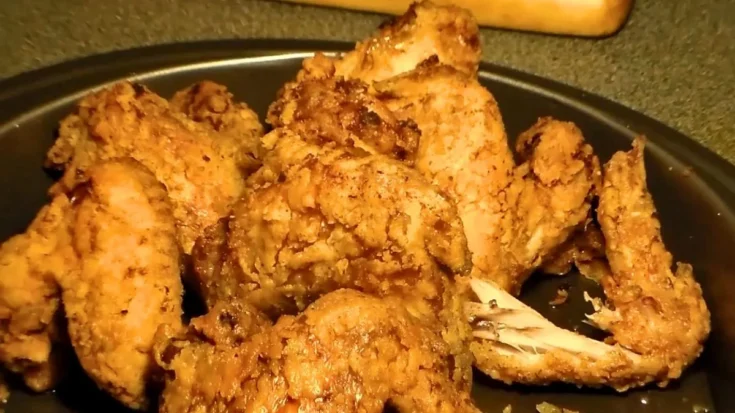
This copycat Willie Mae’s fried chicken recipe brings that iconic New Orleans soul food experience straight to your kitchen.
Ingredients
- Chicken -8 pieces (a mix of wings, thighs, and drumsticks)
- Seasoning salt -enough to season well without over-salting
- Onion powder -generous amount, used in both rub and flour
- Black pepper -use a generous amount throughout
- Oregano -about 1 teaspoon
- Cayenne pepper -a small pinch (just for subtle background heat)
- Paprika -for color and warmth
- Buttermilk -enough to fully submerge the chicken
- Texas Pete hot sauce -6–7 squirts
- Minced garlic -about 1 teaspoon (it is strong, use sparingly)
- Parsley flakes -about 2 tablespoons
- All-purpose flour -enough to thoroughly dredge 8 pieces
- Seasoning salt -about 1 teaspoon
- Onion powder -extra, to compensate for what soaked into the buttermilk
- Black pepper -freshly ground
- Neutral oil -vegetable, canola, or peanut oil for deep frying
Instructions
Step 1 -Season the Raw Chicken
Place all 8 pieces of chicken into a large mixing bowl. Season generously with seasoning salt, onion powder, a good amount of black pepper, approximately 1 teaspoon of oregano, a small pinch of cayenne pepper, and paprika. Use your hands to mix everything together thoroughly, making sure every piece of chicken is evenly coated in the dry seasoning blend. Be mindful not to over-salt -the buttermilk marinade will also carry seasoning into the meat.
Step 2 -Make the Buttermilk Marinade
Pour enough buttermilk over the seasoned chicken to fully submerge all 8 pieces. Add 6–7 squirts of Texas Pete hot sauce, approximately 1 teaspoon of minced garlic (it is pungent, so do not overdo it), and about 2 tablespoons of dried parsley flakes. Stir everything together so the buttermilk marinade is well combined and all the chicken is coated.
Step 3 -Marinate the Chicken (Minimum 8 Hours)
Cover the bowl tightly with plastic wrap or transfer everything to an airtight container. Refrigerate for at least 8 hours -overnight is strongly recommended, and the chicken can marinate for up to one full week. This extended buttermilk soak is the non-negotiable foundation of Willie Mae’s flavor. Less than 8 hours simply does not give the buttermilk enough time to fully tenderize the meat and infuse it with flavor from the inside out.
Step 4 -Drain the Marinated Chicken
Remove the chicken pieces from the buttermilk marinade and place them on a wire rack set over a bowl or sheet pan. Allow the excess buttermilk to drip off naturally for 10–15 minutes. Do not shake or wipe the chicken -you want a thin, even coating of buttermilk still clinging to the surface. This controlled draining step prevents the flour coating from clumping in patches and ensures an even, smooth crust.
Step 5 -Season the Flour
In a large shallow dish, combine all-purpose flour with about 1 teaspoon of seasoning salt, extra onion powder, and freshly ground black pepper. You can also add any of the original dry rub seasonings -paprika, oregano, or a little more cayenne -to the flour at this stage. Seasoning the flour separately is critical because a significant amount of the original seasoning washes off into the buttermilk during the long marinade. The flour coating needs its own seasoning layer to maintain the depth of flavor in the finished crust.
Step 6 -Dredge and Rest the Coated Chicken
Dredge each piece of drained chicken thoroughly in the seasoned flour, pressing firmly to ensure complete coverage on all sides. Once coated, place the floured pieces back on the wire rack and allow them to rest for 10–20 minutes. During this resting period, the residual buttermilk moisture will absorb into the flour, creating a slightly tacky, gluey coating rather than a dry, chalky white surface. This matted, damp-looking coating is exactly what you want -it is the secret to Willie Mae’s signature smooth, tight, lacquered crust.
Step 7 – Deep Fry the Chicken
Pour neutral oil into a large deep pot or Dutch oven and heat it on high for 7–10 minutes until the oil is very hot. Reduce to medium heat before adding the chicken. Fry in batches -do not crowd the pot -using the following timing guide:
Wings: 10–12 minutes
Thighs and drumsticks: 15–17 minutes
The chicken is ready when it floats to the top of the oil and is a deep, even golden brown. Frying in batches is essential -adding too many pieces at once drops the oil temperature, resulting in greasy, soggy chicken rather than the crisp crust Willie Mae’s is famous for.
Step 8 -Drain and Serve
Remove the fried chicken from the oil using long tongs and transfer to a wire rack or paper towel-lined tray to drain. Allow each piece to rest for 3–5 minutes before serving. The coating should be golden, crunchy, and smooth. The meat should be cooked fully through, juicy, and bursting with that unmistakable buttermilk and layered seasoning flavor.
Notes
Refrigerator: Store leftover fried chicken in an airtight container for up to 3 days. Keep uncovered for the first 30 minutes after cooking to prevent steam from softening the crust.
Freezer: Freeze fully cooled fried chicken pieces in a single layer on a sheet pan, then transfer to a freezer bag for up to 2 months.
Reheat: Reheat in a 375°F oven on a wire rack for 15–20 minutes to restore crispiness. Avoid the microwave -it makes the coating soggy and the meat rubbery.
Nutrition Information:
Yield:
4Serving Size:
1Amount Per Serving: Calories: 469
We’d love to know how this recipe works out for you! Give it a try and leave a comment below to share your experience, tips, or any tweaks you made. Don’t forget to follow us on Pinterest and YouTube for more tasty recipes and kitchen inspiration. Your support and feedback truly mean everything to us!