
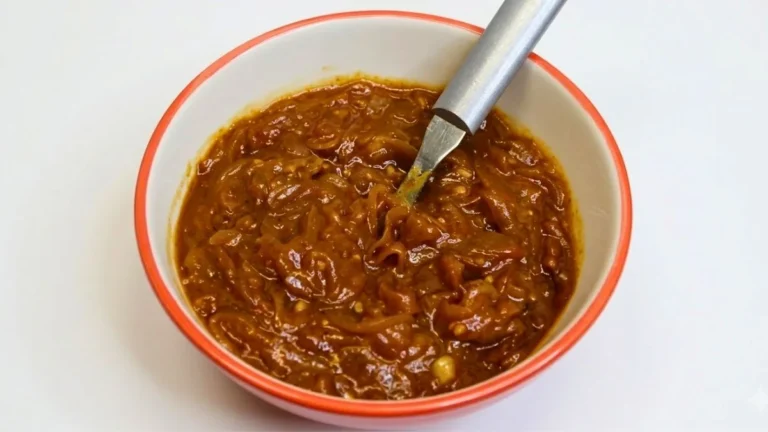

If you’ve ever enjoyed a classic New York street hot dog, you’ve likely experienced the magic of Sabrett onion sauce-that sweet, tangy, slightly spiced topping that transforms an ordinary hot dog into an iconic street food experience.
This Sabretts onion sauce recipe recreates the legendary condiment right in your own kitchen using simple pantry ingredients. Whether you’re craving Sabrett onions in sauce for your backyard barbecue, tailgate party, or just want to bring authentic NYC hot dog flavor home, this copycat recipe delivers that distinctive sweet-savory balance perfectly.
With caramelized onions simmered in a tangy tomato-vinegar base with warm spices, this recipe for Sabrett onion sauce captures everything that makes this street cart staple so addictive. Once you taste this homemade version, you’ll never buy jarred onion sauce again.
What Does Sabrett Onion Sauce Taste Like?
Sabrett onion sauce offers a beautifully balanced flavor profile that’s simultaneously sweet, tangy, and mildly spiced. The sweet onions break down into soft, silky strands that meld with the brown sugar’s caramel notes, while white vinegar adds a bright, acidic punch that cuts through the richness.
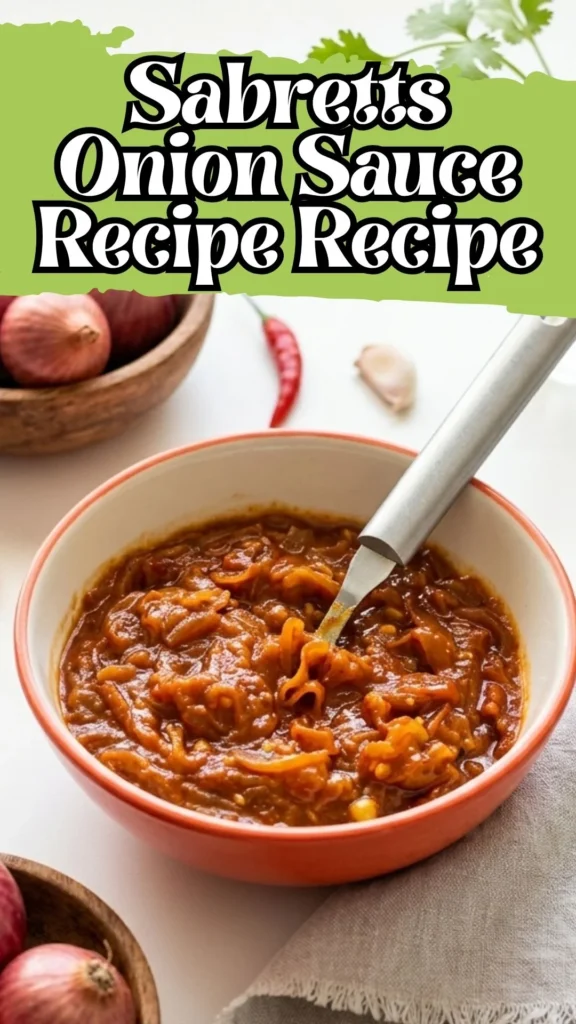
The tomato paste provides subtle umami depth without making the sauce taste like ketchup, and the blend of chili powder, paprika, and dry mustard contributes gentle warmth and complexity without overpowering heat.
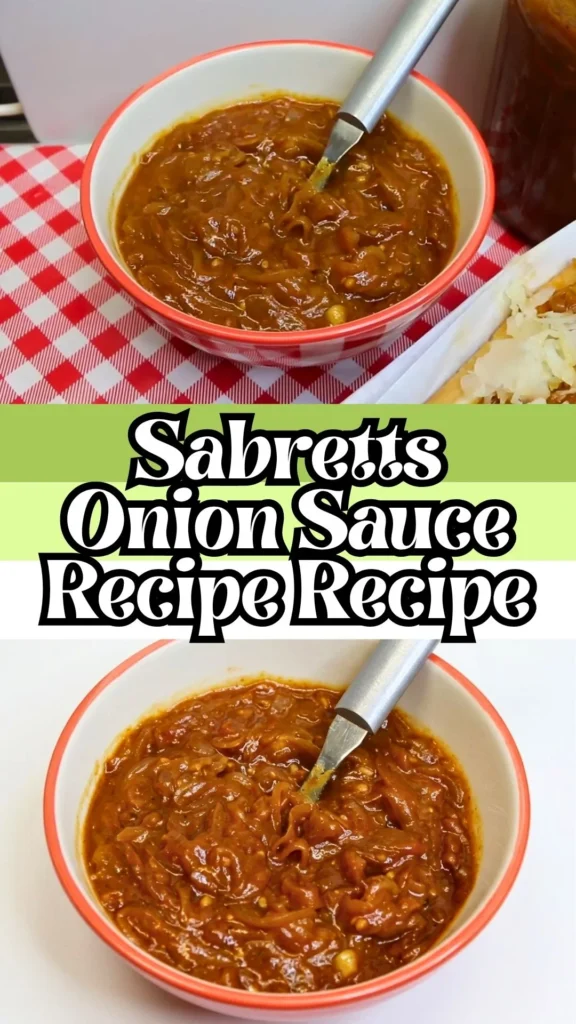
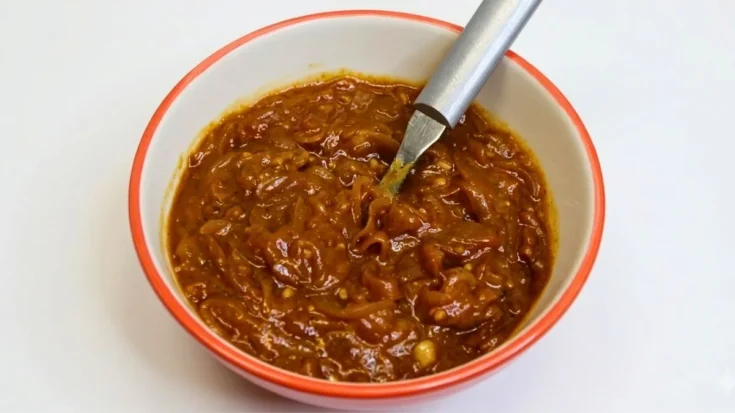
The overall effect is a glossy, thick sauce that clings perfectly to hot dogs and sausages-not too sweet like relish, not as sharp as sauerkraut, but somewhere delightfully in between. This Sabrett red onion sauce variation offers the same great taste with a slightly earthier onion flavor and gorgeous deep color.
Ingredients and Kitchen Utensils
Ingredients
The Base & Aromatics:
- 2 tbsp neutral vegetable oil
- 4 large sweet onions (like Vidalia) or red onions, sliced fairly thin
- 4 to 5 cloves of garlic, minced
The Liquid & Spices:
- 4 cups water
- ½ cup white vinegar
- ½ cup brown sugar
- ¼ cup tomato paste (or 4 tbsp tomato powder)
- 1 tbsp chili powder
- 1 tbsp paprika
- 1 tsp onion powder
- 1 tsp garlic powder
- 1 tsp salt
- 1 tsp black pepper
- 1 tsp dry mustard powder
The Thickener (Slurry):
- 2 tbsp water
- 1 tbsp cornstarch
Kitchen Utensils
- Large heavy-bottomed pot or Dutch oven
- Sharp knife and cutting board
- Wooden spoon or silicone spatula
- Measuring cups and spoons
- Small bowl for cornstarch slurry
- Whisk
- Clean glass jars or airtight containers for storage
- Ladle for serving
Preparation and Cooking Time
Prep Time: 15 minutes
Cook Time: 45 minutes
Total Time: 60 minutes
Yield: Approximately 4 cups of sauce
Recipe Instructions
Step 1: Sweat the Aromatics
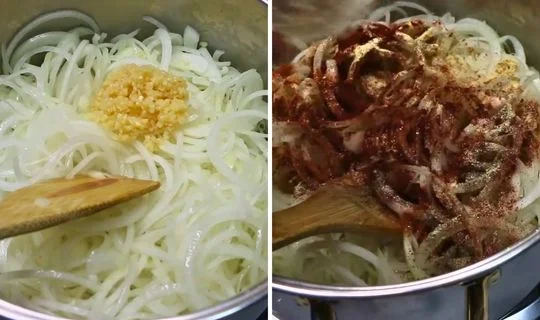
Heat the vegetable oil in a large pot over medium-high heat until shimmering. Add the thinly sliced onions and minced garlic, stirring to coat everything evenly in the oil. Cook just until the onions soften and become translucent, about 5-7 minutes. This is crucial-you want to sweat the onions, not brown or caramelize them, as browning would change the flavor profile of your Sabrett onion sauce recipe.
Step 2: Add Spices and Liquids
Sprinkle the chili powder, paprika, onion powder, garlic powder, salt, black pepper, and dry mustard powder directly over the softened onions and garlic. Stir everything together for about 30 seconds to toast the spices slightly and release their aromas. Add the brown sugar, tomato paste, white vinegar, and 4 cups of water. Stir thoroughly, making sure to break up any clumps of tomato paste so everything is well incorporated into the liquid.
Step 3: Simmer and Reduce
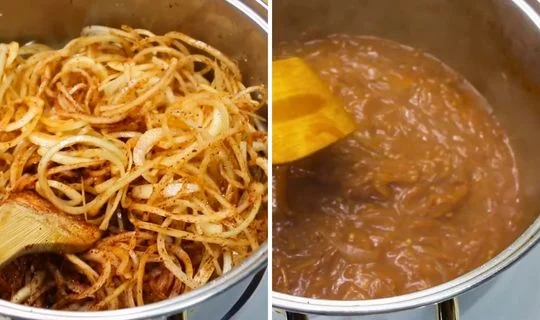
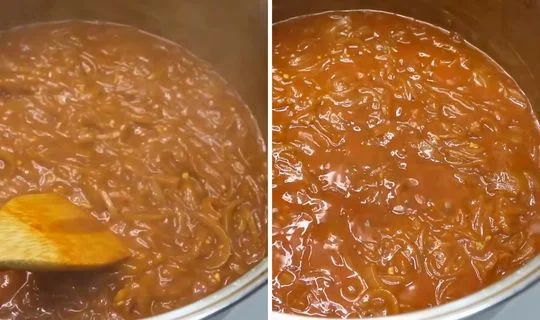
Bring the entire mixture to a gentle simmer over medium heat. Once simmering, reduce the heat to medium-low and let the sauce cook uncovered for approximately 40 minutes, stirring occasionally to prevent sticking. During this time, the onions will become very tender and the liquid will reduce by roughly half, transforming from watery to concentrated. The sauce should lose that thin, brothy consistency and start developing body.
Step 4: Thicken with Slurry
In a small bowl, whisk together the cornstarch and 2 tablespoons of water until completely smooth with no lumps remaining. Pour this slurry directly into the simmering Sabretts onion sauce while stirring continuously. Bring the sauce back up to a boil and cook for 2-3 minutes, stirring constantly, until the cloudy appearance disappears and the sauce thickens to a glossy, spoon-coating consistency.
Step 5: Cool and Store
Remove the pot from heat and allow your homemade Sabrett onions in sauce to cool to room temperature. This cooling period also allows the flavors to meld and develop further. Once completely cooled, transfer the sauce into clean glass jars or airtight containers and refrigerate until ready to use.
Customization and Pairing Ideas for Serving
1. Classic Hot Dog Application
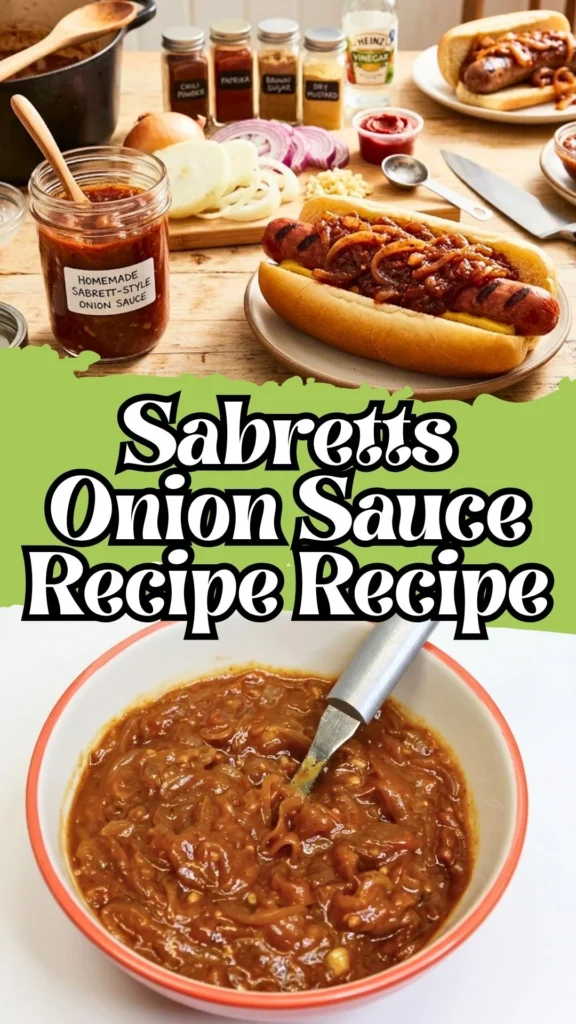
The most traditional way to enjoy this recipe for Sabrett onion sauce is piled generously on top of grilled all-beef hot dogs nestled in soft potato buns. Add a stripe of yellow mustard underneath the onion sauce for authentic NYC street cart flavor. The sweet-tangy sauce pairs perfectly with the salty, smoky hot dog, creating that iconic flavor combination New Yorkers have loved for generations.
2. Sausage and Bratwurst Topping
This Sabrett onion sauce recipe isn’t just for hot dogs-it’s equally phenomenal on Italian sausages, bratwurst, or Polish kielbasa. The sauce’s sweetness balances beautifully with spicy sausages, while the vinegar cuts through the richness of fatty meats. Serve on crusty hoagie rolls with melted provolone for an elevated sausage sandwich experience.
3. Burger Condiment
Take your burgers to the next level by using Sabretts onions in sauce as a unique topping. The sauce adds moisture and flavor complexity that goes beyond standard burger toppings. It works especially well on bacon cheeseburgers, where the sweet-tangy sauce complements the salty bacon and rich cheese perfectly.
4. Pair It with Our Recipe
Make this Sabretts Onion Sauce Recipe for hot dogs, burgers, or sandwiches, and pair it with our claussen kosher pickle recipe and air fryer breaded chicken wings recipe for a flavorful meal.
5. Pretzel and Soft Roll Dip
Serve warmed Sabrett onion sauce as a dipping sauce alongside soft pretzels, pretzel bites, or warm dinner rolls at your next gathering. The sweet-savory flavor profile makes it an unexpected but crowd-pleasing alternative to traditional cheese sauce or mustard.
6. Loaded Fries or Nachos
Create loaded fries or nachos with a twist by drizzling this sauce over crispy french fries or tortilla chips along with shredded cheese, jalapeños, and sour cream. The sauce adds a unique sweet-tangy element that elevates these bar food favorites.
7. Sandwich Spread
Use this versatile sauce as a spread for deli sandwiches, particularly those featuring roast beef, pastrami, or corned beef. The sauce’s acidity and sweetness cut through rich, fatty meats while adding moisture and flavor. It’s especially good on toasted rye bread with sharp cheddar cheese.
Essential Tips for Perfect Sabrett Onion Sauce
1. Choose the Right Onions
While this Sabrett onion sauce recipe works with various onion types, sweet onions like Vidalia, Walla Walla, or Maui create the most authentic flavor with their natural sugars. Red onions work beautifully too and create that distinctive Sabrett red onion sauce appearance with deeper color and slightly earthier flavor. Avoid using regular yellow onions alone, as they can be too sharp and pungent for this application.
2. Slice Consistently for Even Cooking
Cut your onions into uniform slices about ⅛ to ¼ inch thick. Consistency matters because it ensures all the onion pieces cook at the same rate during the long simmering process. Onions cut too thick will stay crunchy, while those cut too thin may disintegrate completely into the sauce rather than maintaining some texture.
3. Don’t Skip the Sweating Step
Resist the temptation to let your onions brown or caramelize during the initial cooking. Caramelization creates different flavor compounds that would make this taste more like French onion soup than authentic Sabretts onion sauce. You want translucent, softened onions that retain their structure and cook further in the simmering liquid.
4. Adjust Sweetness to Your Preference
The brown sugar amount in this recipe creates a balanced sweet-tangy profile, but you can adjust based on personal taste or the natural sweetness of your onions. Start with the full ½ cup, then taste after simmering. If you prefer less sweetness for a more savory sauce, reduce the sugar slightly, or add an extra tablespoon if you like it sweeter.
5. Be Patient During the Simmer
That 40-minute simmer isn’t arbitrary-it’s essential for concentrating flavors and breaking down the onions to the proper tender texture. Rushing this step by increasing heat will cause uneven cooking and may burn the bottom of your sauce. Stir occasionally and keep the heat at a gentle simmer where small bubbles break the surface regularly.
6. Make the Slurry Smooth
Lumpy cornstarch ruins the texture of your finished sauce, so whisk your slurry thoroughly in a separate bowl before adding it to the pot. The water should be room temperature or cool-hot water can cause the cornstarch to clump. Pour the slurry in a steady stream while stirring the sauce constantly to distribute it evenly and prevent lumps from forming.
7. Let Flavors Develop Overnight
While you can use this recipe for Sabrett onion sauce immediately after cooling, the flavors improve significantly after resting in the refrigerator overnight. The spices meld, the onions absorb more of the sauce, and the overall taste becomes more cohesive and balanced. Make it a day ahead for best results.
Storage and Reheating Guidance
Store your homemade Sabrett onions in sauce in airtight glass jars or containers in the refrigerator for up to 2 weeks. The vinegar and salt act as natural preservatives. Reheat desired portions in the microwave for 30-45 seconds or warm gently on the stovetop over low heat, stirring occasionally until heated through.
Common Queries and FAQs
Here, we’ve got you covered with some common questions that people often ask
Can I use apple cider vinegar instead of white vinegar?
Yes, apple cider vinegar works well and adds a slightly fruitier, mellower acidity compared to white vinegar. The flavor difference is subtle, and both create authentic-tasting Sabrett onion sauce. Just use the same measurement and proceed with the recipe as written.
How can I make this Sabretts onion sauce spicier?
Add cayenne pepper or red pepper flakes to taste when you add the other spices in Step 2. Start with ½ teaspoon and adjust upward based on your heat preference. You can also use hot chili powder instead of regular chili powder for more kick without changing the recipe’s balance.
Can I freeze this onion sauce?
Absolutely! This Sabrett onion sauce recipe freezes beautifully for up to 3 months. Portion it into freezer-safe containers or resealable bags, leaving a bit of headspace for expansion. Thaw overnight in the refrigerator and reheat gently, stirring well as some separation may occur during freezing.
What’s the difference between using tomato paste and tomato powder?
Tomato paste is more readily available and adds body along with tomato flavor. Tomato powder is more concentrated and dissolves easily without lumps, creating a smoother texture. Either works perfectly in this recipe-use whichever you have on hand.
Why did my sauce turn out too thin?
If your sauce seems too thin after the full simmer, you either didn’t reduce it long enough or your heat was too low. Continue simmering uncovered until more liquid evaporates, or add an additional cornstarch slurry (1 teaspoon cornstarch mixed with 1 tablespoon water) to thicken further.
Can I use this sauce on things other than hot dogs?
Definitely! While Sabrett onions in sauce are famous as a hot dog topping, they’re incredibly versatile. Use them on burgers, sausages, grilled meats, sandwiches, as a condiment for pretzels, or mixed into baked beans. The sweet-tangy flavor complements many savory dishes.
How does this compare to store-bought Sabrett onion sauce?
This homemade version captures the essential flavor profile remarkably well-sweet, tangy, and mildly spiced with tender onions. The main difference is texture; commercial versions may use different thickeners or preservatives. Many people prefer this fresher-tasting homemade version with more pronounced onion presence.
Do I have to use sweet onions, or can I use yellow onions?
Sweet onions are strongly recommended because they provide the natural sweetness that defines authentic Sabretts onion sauce. Regular yellow onions are sharper and more sulfurous, which would require adjusting the sugar content significantly. If you must use yellow onions, increase brown sugar by 2-3 tablespoons.
Sabretts Onion Sauce Recipe
If you’ve ever enjoyed a classic New York street hot dog, you’ve likely experienced the magic of Sabrett onion sauce-that sweet, tangy, slightly spiced topping that transforms an ordinary hot dog into an iconic street food experience.
Ingredients
- 2 tbsp neutral vegetable oil
- 4 large sweet onions (like Vidalia) or red onions, sliced fairly thin
- 4 to 5 cloves of garlic, minced
- 4 cups water
- ½ cup white vinegar
- ½ cup brown sugar
- ¼ cup tomato paste (or 4 tbsp tomato powder)
- 1 tbsp chili powder
- 1 tbsp paprika
- 1 tsp onion powder
- 1 tsp garlic powder
- 1 tsp salt
- 1 tsp black pepper
- 1 tsp dry mustard powder
- 2 tbsp water
- 1 tbsp cornstarch
Instructions
Step 1: Sweat the Aromatics
Heat the vegetable oil in a large pot over medium-high heat until shimmering. Add the thinly sliced onions and minced garlic, stirring to coat everything evenly in the oil. Cook just until the onions soften and become translucent, about 5-7 minutes. This is crucial-you want to sweat the onions, not brown or caramelize them, as browning would change the flavor profile of your Sabrett onion sauce recipe.
Step 2: Add Spices and Liquids
Sprinkle the chili powder, paprika, onion powder, garlic powder, salt, black pepper, and dry mustard powder directly over the softened onions and garlic. Stir everything together for about 30 seconds to toast the spices slightly and release their aromas. Add the brown sugar, tomato paste, white vinegar, and 4 cups of water. Stir thoroughly, making sure to break up any clumps of tomato paste so everything is well incorporated into the liquid.
Step 3: Simmer and Reduce
Bring the entire mixture to a gentle simmer over medium heat. Once simmering, reduce the heat to medium-low and let the sauce cook uncovered for approximately 40 minutes, stirring occasionally to prevent sticking. During this time, the onions will become very tender and the liquid will reduce by roughly half, transforming from watery to concentrated. The sauce should lose that thin, brothy consistency and start developing body.
Step 4: Thicken with Slurry
In a small bowl, whisk together the cornstarch and 2 tablespoons of water until completely smooth with no lumps remaining. Pour this slurry directly into the simmering Sabretts onion sauce while stirring continuously. Bring the sauce back up to a boil and cook for 2-3 minutes, stirring constantly, until the cloudy appearance disappears and the sauce thickens to a glossy, spoon-coating consistency.
Step 5: Cool and Store
Remove the pot from heat and allow your homemade Sabrett onions in sauce to cool to room temperature. This cooling period also allows the flavors to meld and develop further. Once completely cooled, transfer the sauce into clean glass jars or airtight containers and refrigerate until ready to use.
Notes
Store your homemade Sabrett onions in sauce in airtight glass jars or containers in the refrigerator for up to 2 weeks. The vinegar and salt act as natural preservatives. Reheat desired portions in the microwave for 30-45 seconds or warm gently on the stovetop over low heat, stirring occasionally until heated through.
Nutrition Information:
Yield:
4Serving Size:
1Amount Per Serving: Calories: 232
We’d love to know how this recipe works out for you! Give it a try and leave a comment below to share your experience, tips, or any tweaks you made. Don’t forget to follow us on Pinterest and YouTube for more tasty recipes and kitchen inspiration. Your support and feedback truly mean everything to us!